Trustwave
Eleven years.
One creative department.
One person in it.
The situation
For eleven years I was the entire creative function at a global cybersecurity company. Not the creative lead with a team underneath. The only one.
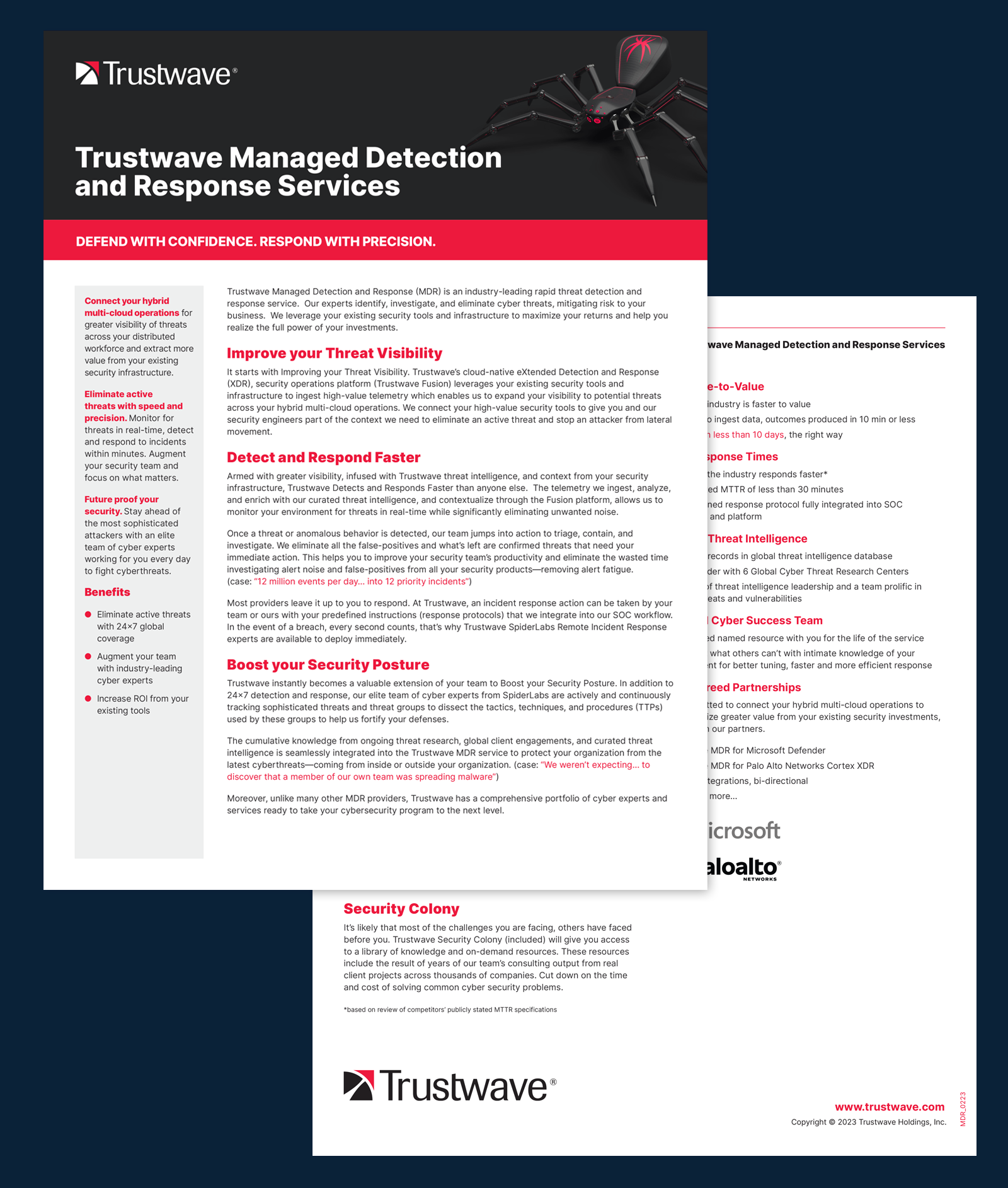
That meant roughly 700 projects a year across every channel the company used: campaigns, threat reports, sales collateral, infographics, ebooks, trade show environments, web, email, social, and photography. It meant owning brand standards and being the person who enforced them. It meant three global rebrands, all executed solo — an international asset consolidation in 2016, parent-company alignment under Singtel in 2018, and a full brand refresh in 2022.
It also meant learning to triage. When you're the whole department, the constraint isn't talent — it's deciding, every single week, what actually moves the business and what just feels urgent. That skill transfers to every marketing team I've worked with since.
~700
projects delivered per year, solo
What I Did.
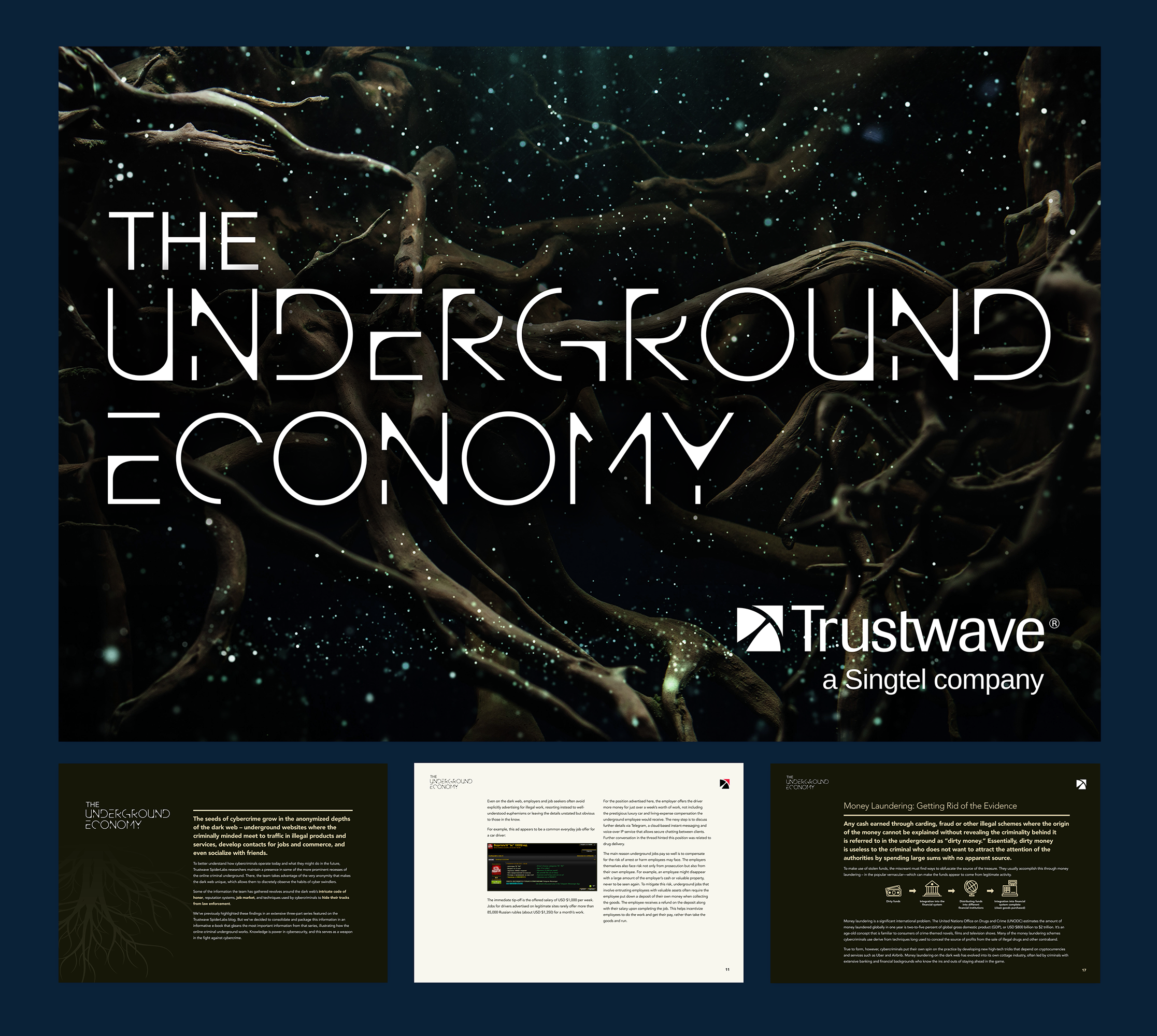
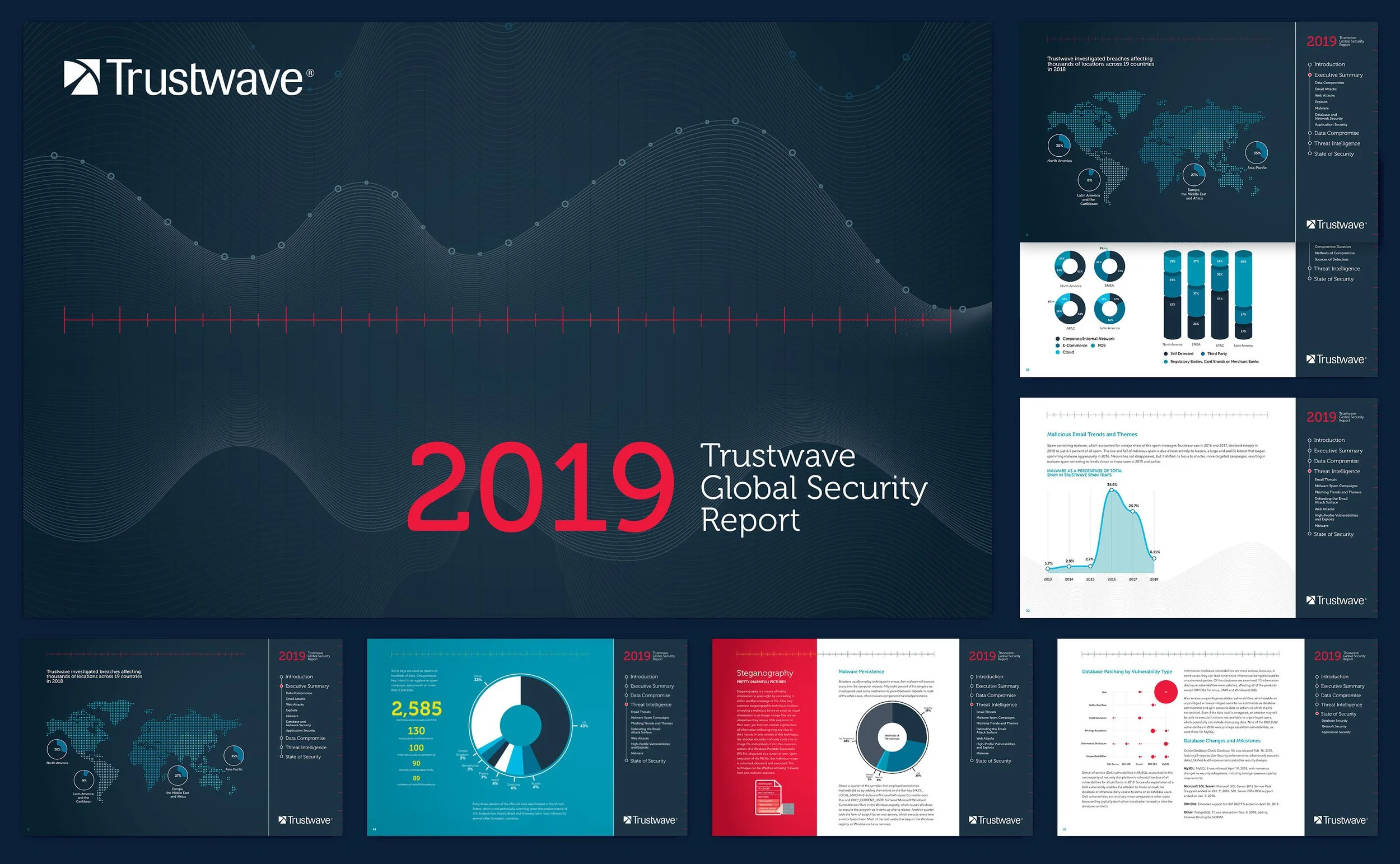
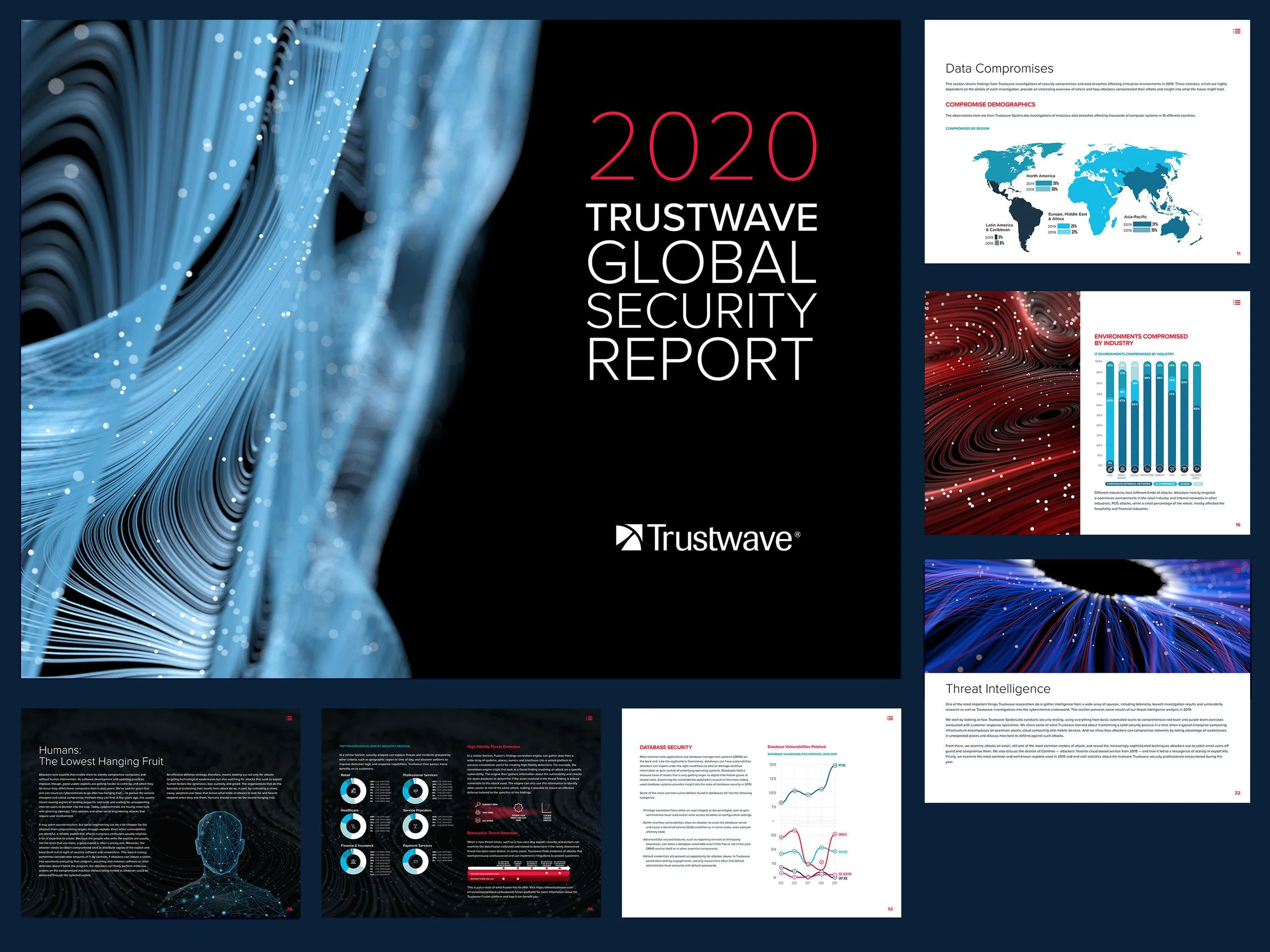
Global security reports
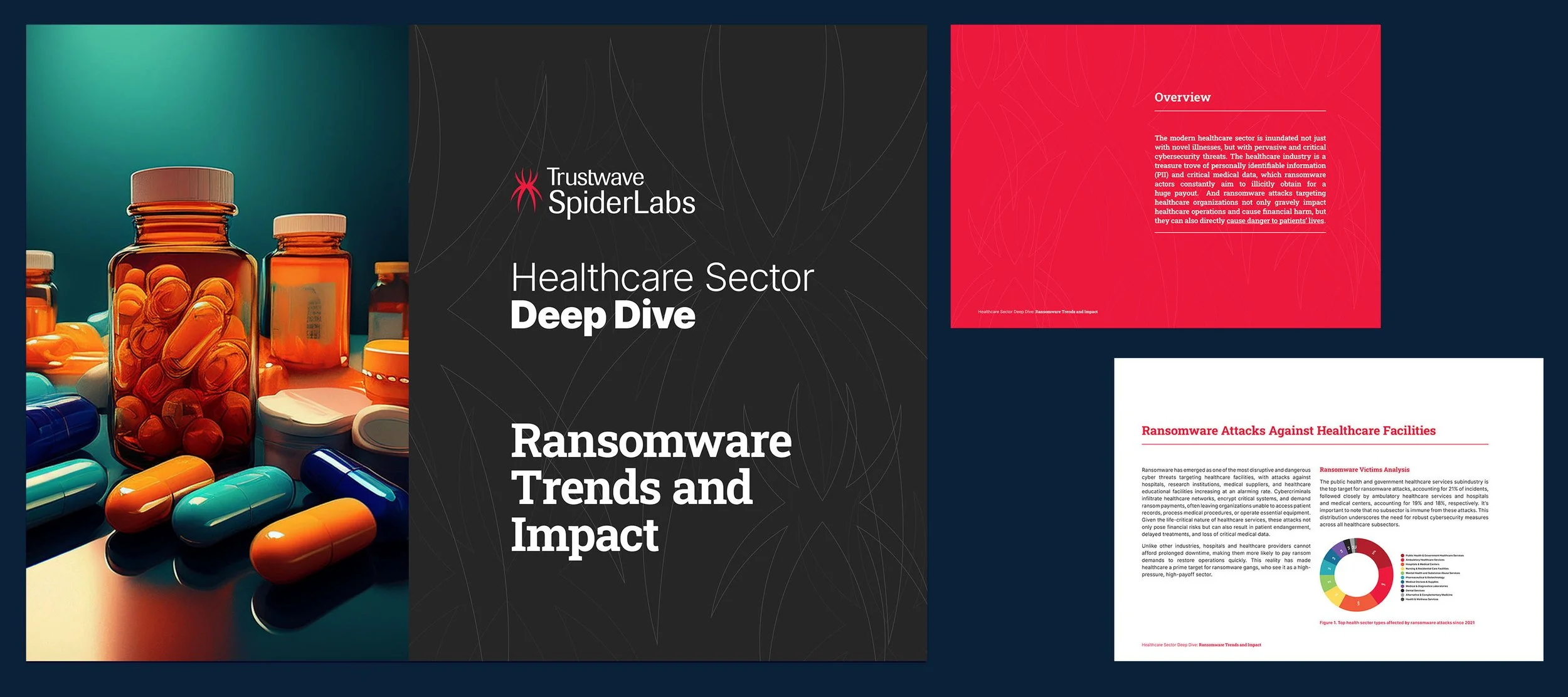
Four annual global reports a year, for a decade. Design, data visualization, budget, agency coordination, print production, and worldwide distribution — including translated and market-specific editions.
Sales collateral and enablement
The full library: solution briefs, one-pagers, presentation systems, and the templates that let sales build their own without breaking the brand.
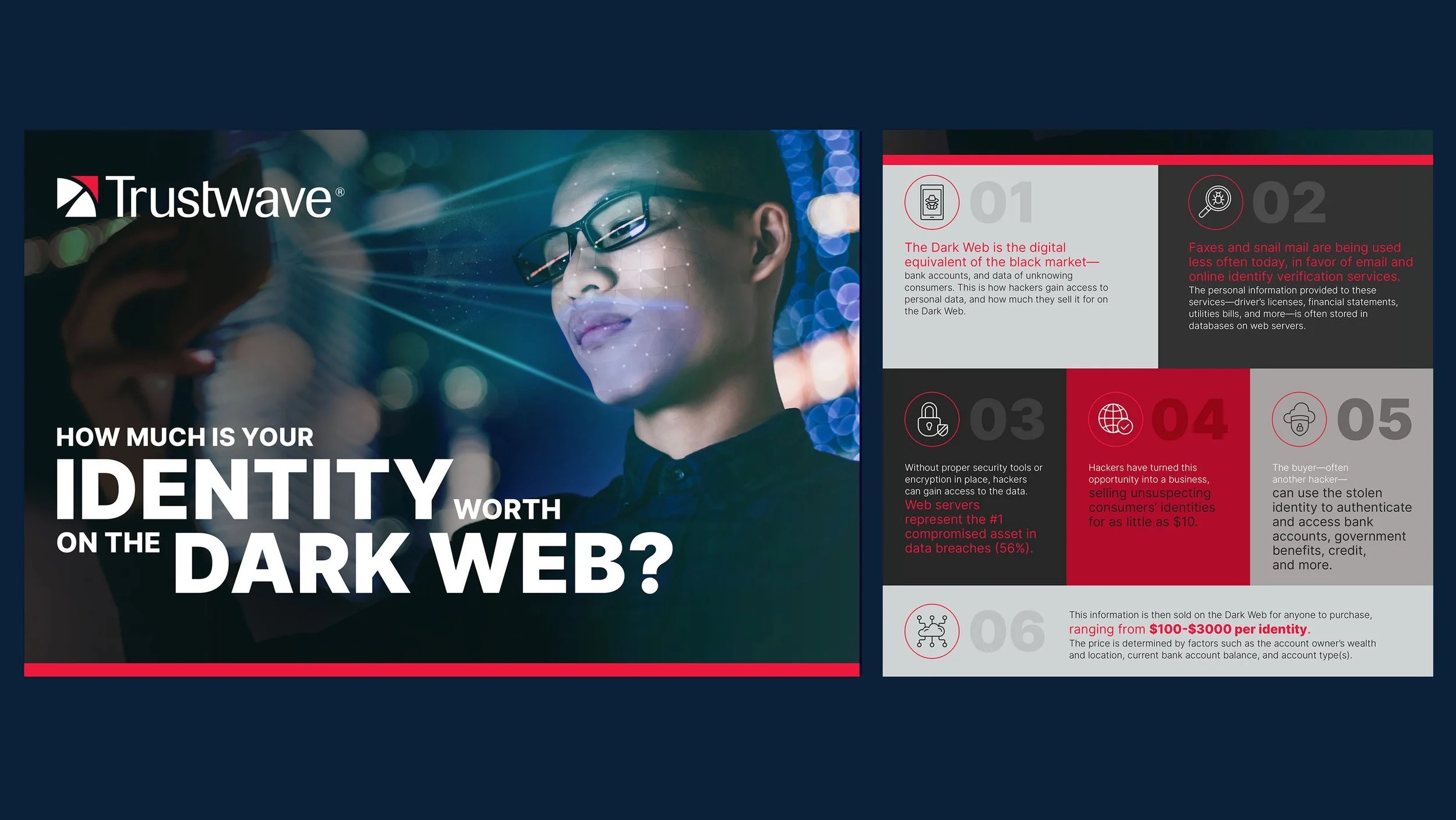
Infographics and data visualization
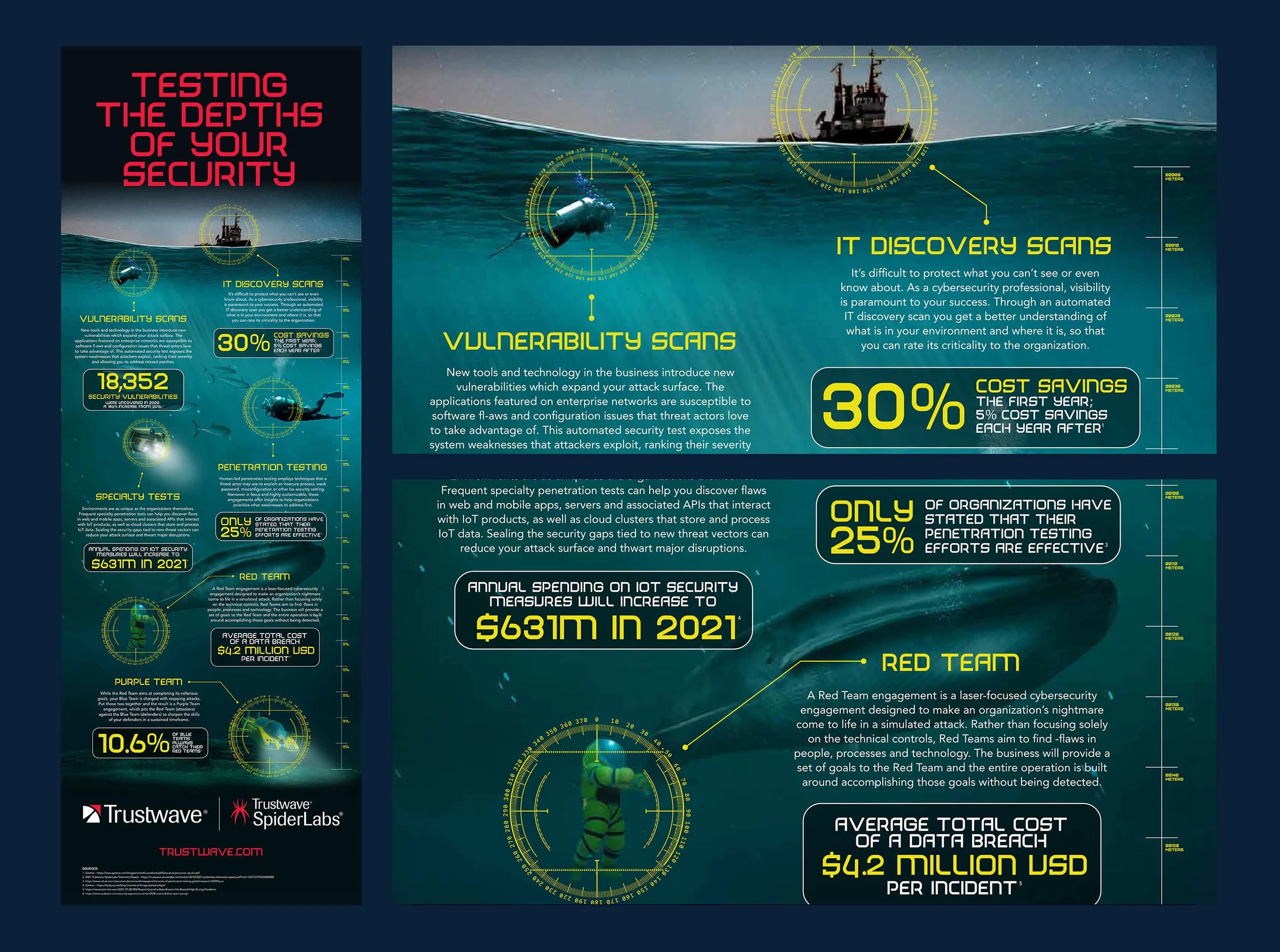
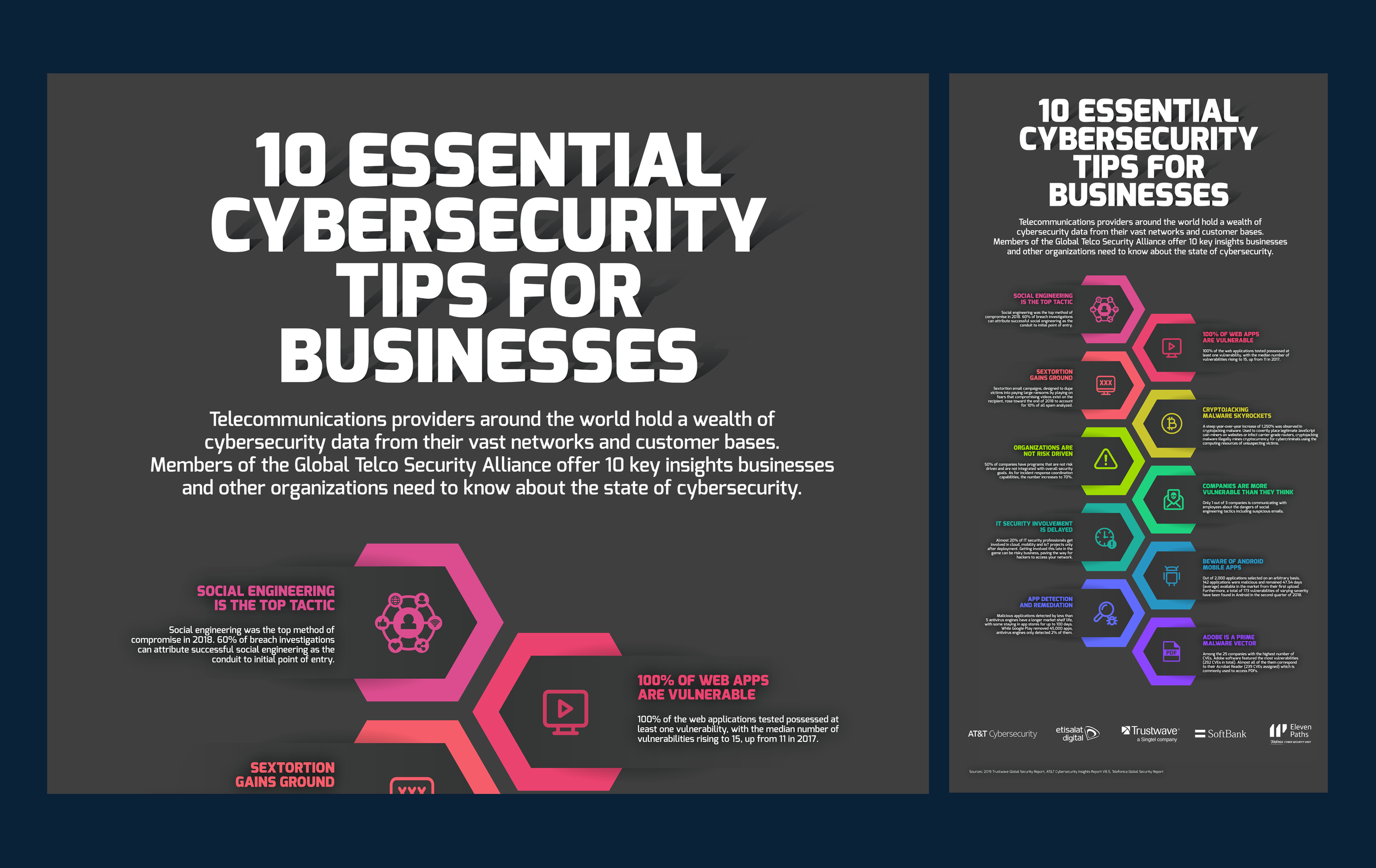
Turning security research into something a non-practitioner could read in thirty seconds — the format that consistently outperformed everything else in the content mix.
Ebooks and long-form content
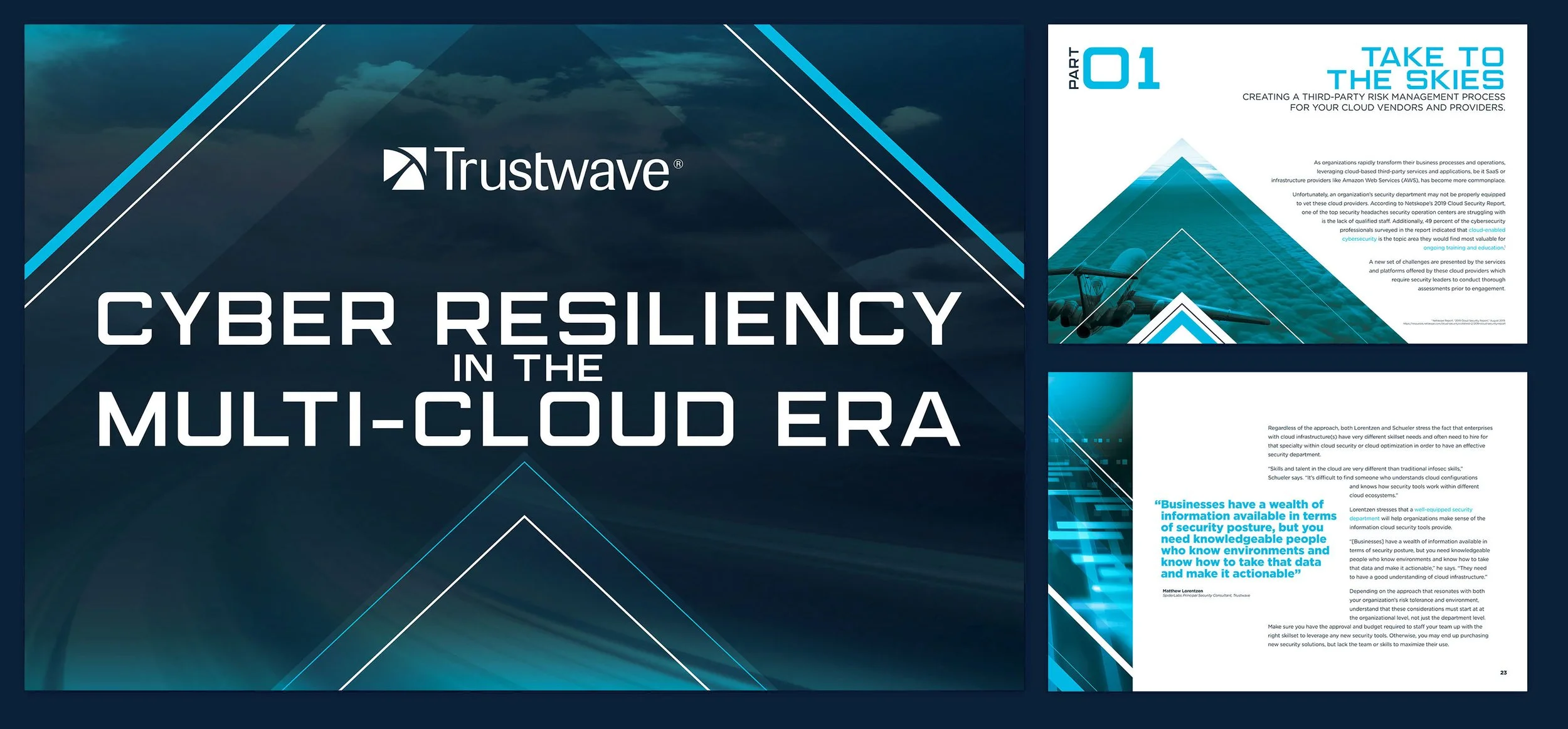
Research and thought leadership designed as a system rather than one-offs, so the next one didn't start from zero.
Three global rebrands
2016 international asset consolidation. 2018 Singtel parent-company alignment. 2022 full refresh. Each one solo, each one while the regular calendar kept running.
Photography and video
Executive and team headshots, event coverage, and video editing — brought in-house because the turnaround from vendors couldn't keep up with the calendar.
Speed, strategy, and craft are usually presented as a pick-two.
Eleven years alone at global scale doesn't leave that option open.